PRODUCTS
Energy Efficiency Benefits of a High-Performance Dry Type Transformer
High-performance dry-type transformers are becoming a preferred choice in modern power distribution systems due to their ability to deliver reliable performance while significantly improving energy efficiency. For industries, commercial buildings, and infrastructure projects, these transformers offer a safe, environmentally friendly, and cost-effective solution for voltage regulation and power delivery.
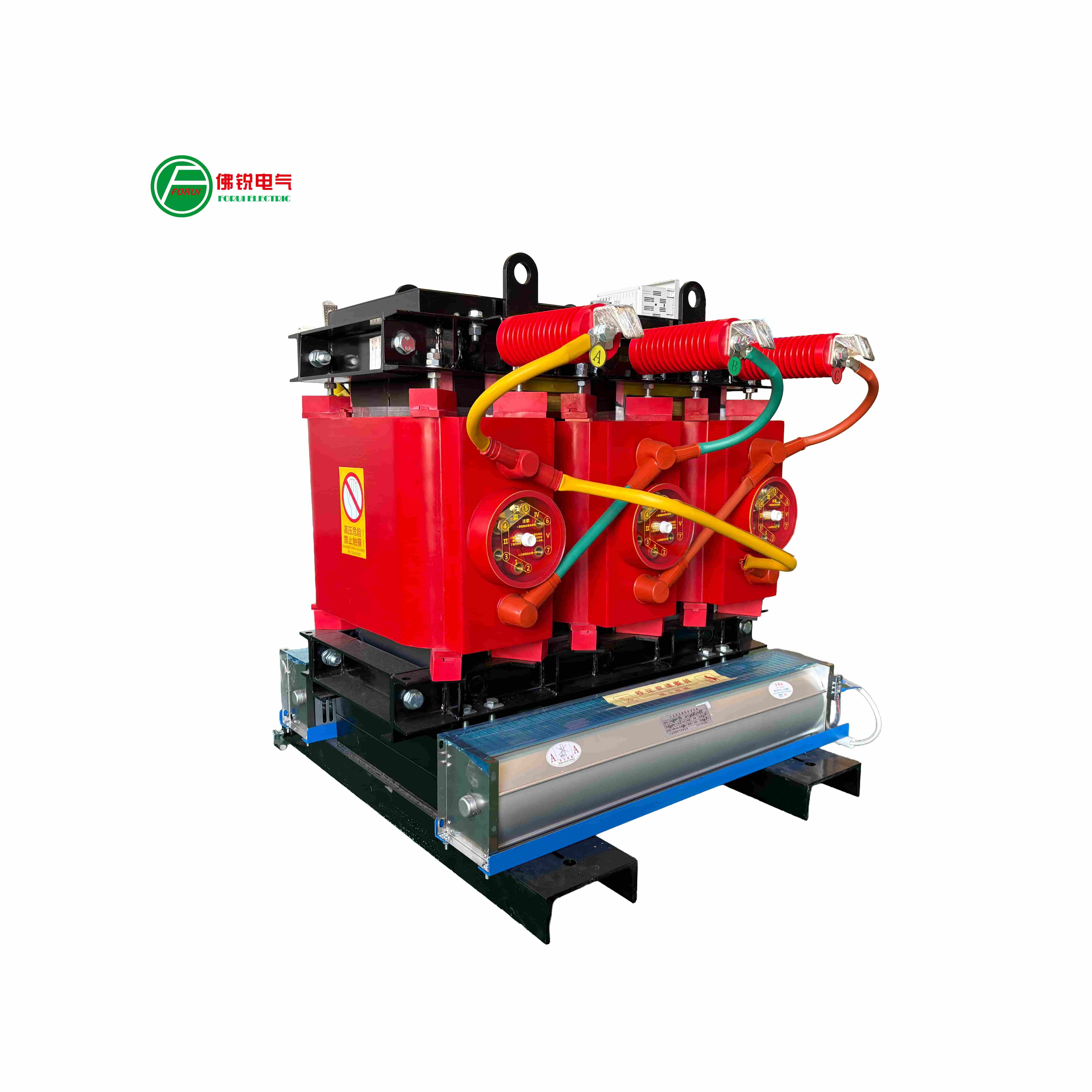
A dry-type transformer uses air as the cooling medium instead of oil, eliminating many of the risks associated with traditional oil-immersed designs. Beyond safety improvements, its optimized design contributes directly to lower energy losses and higher operational efficiency.
Reduced Energy Losses
One of the key energy efficiency benefits of a high-performance dry-type transformer is its reduced no-load and load losses. Advanced core materials such as high-grade silicon steel help minimize hysteresis and eddy current losses during operation. Additionally, precision winding techniques reduce resistance losses, allowing more electrical energy to be transferred efficiently from primary to secondary circuits.
Lower energy losses not only improve overall system performance but also reduce wasted electricity, which directly translates into lower operational costs for end users. Over time, even small improvements in efficiency can lead to significant energy savings, especially in large-scale installations.
Improved Thermal Management
Efficient thermal performance is another major contributor to energy savings in dry type transformers. These transformers are designed with optimized ventilation channels that enhance natural air circulation and heat dissipation. Some models may also incorporate forced air cooling systems to maintain stable operating temperatures under heavy loads.
By maintaining lower operating temperatures, the transformer reduces resistance in windings and prevents unnecessary energy loss due to overheating. This stable thermal behavior also improves performance consistency and extends the service life of the equipment, further supporting long-term efficiency.
Environmental and Maintenance Advantages
Dry-type transformers are widely recognized for their environmental benefits. Since they do not use insulating oil, there is no risk of oil leakage, contamination, or fire hazards. This makes them ideal for indoor installations such as hospitals, shopping centers, office buildings, and metro systems.
From a maintenance perspective, dry-type transformers require less frequent servicing compared to oil-filled units. The absence of oil testing, filtering, or replacement reduces both maintenance workload and operational downtime. This simplified maintenance approach contributes indirectly to energy efficiency by ensuring the transformer operates consistently at optimal performance levels without interruptions.
Long-Term Cost Efficiency
Although the initial investment in a high-performance dry-type transformer may be higher than conventional alternatives, the long-term economic benefits are substantial. Reduced energy losses lead to lower electricity bills, while minimal maintenance requirements reduce operational expenses over time.
Additionally, improved reliability reduces the risk of unexpected failures and costly downtime. For businesses and utility providers, this combination of efficiency and durability results in a strong return on investment throughout the transformer’s lifecycle.
Conclusion
High-performance dry-type transformers provide a powerful combination of safety, sustainability, and energy efficiency. Through reduced energy losses, improved thermal management, and lower maintenance requirements, they deliver long-term operational advantages for modern power systems. As global industries continue to prioritize energy conservation, solutions from FORUI are well-positioned to support the transition toward more efficient and sustainable electrical infrastructure.
SUBSCRIBE
INQUIRY