
PRODUCTS
Oil-Immersed vs Dry-Type Power Transformer: What’s the Difference?
Power transformers are essential components in modern electrical systems, enabling efficient voltage conversion and reliable power distribution. Among the most widely used types are oil-immersed transformers and dry-type transformers.
While both serve the same fundamental purpose, their design, cooling methods, applications, and maintenance requirements differ significantly. Understanding these differences helps engineers, buyers, and project planners choose the right solution for specific environments and performance needs.
What Is an Oil-Immersed Power Transformer?
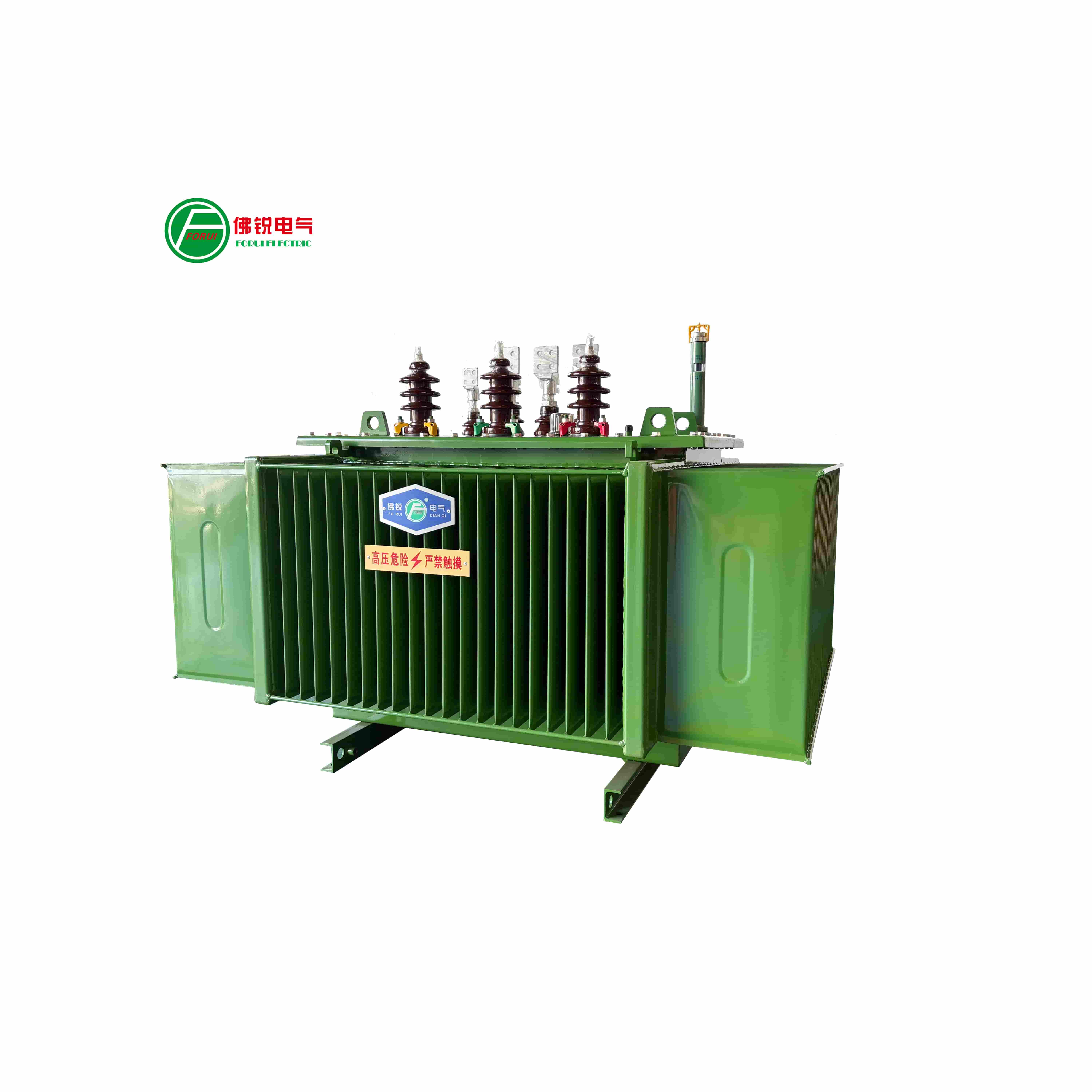
An oil-immersed transformer uses insulating oil as both a cooling and insulating medium. The core and windings are fully submerged in mineral oil, which helps dissipate heat generated during operation while also preventing electrical discharge.
One of the key advantages of oil-immersed transformers is their high efficiency in handling large power capacities. The oil provides excellent cooling performance, making them suitable for high-voltage transmission networks, substations, and heavy industrial applications. They also tend to have a longer service life when properly maintained, as the oil protects internal components from oxidation and moisture.
However, oil-immersed transformers require regular maintenance. The insulating oil must be tested and replaced or filtered periodically to ensure optimal performance. Additionally, there is a risk of oil leakage and fire hazards, which means these transformers are typically installed outdoors or in specially designed containment areas with strict safety measures.
What Is a Dry-Type Power Transformer?
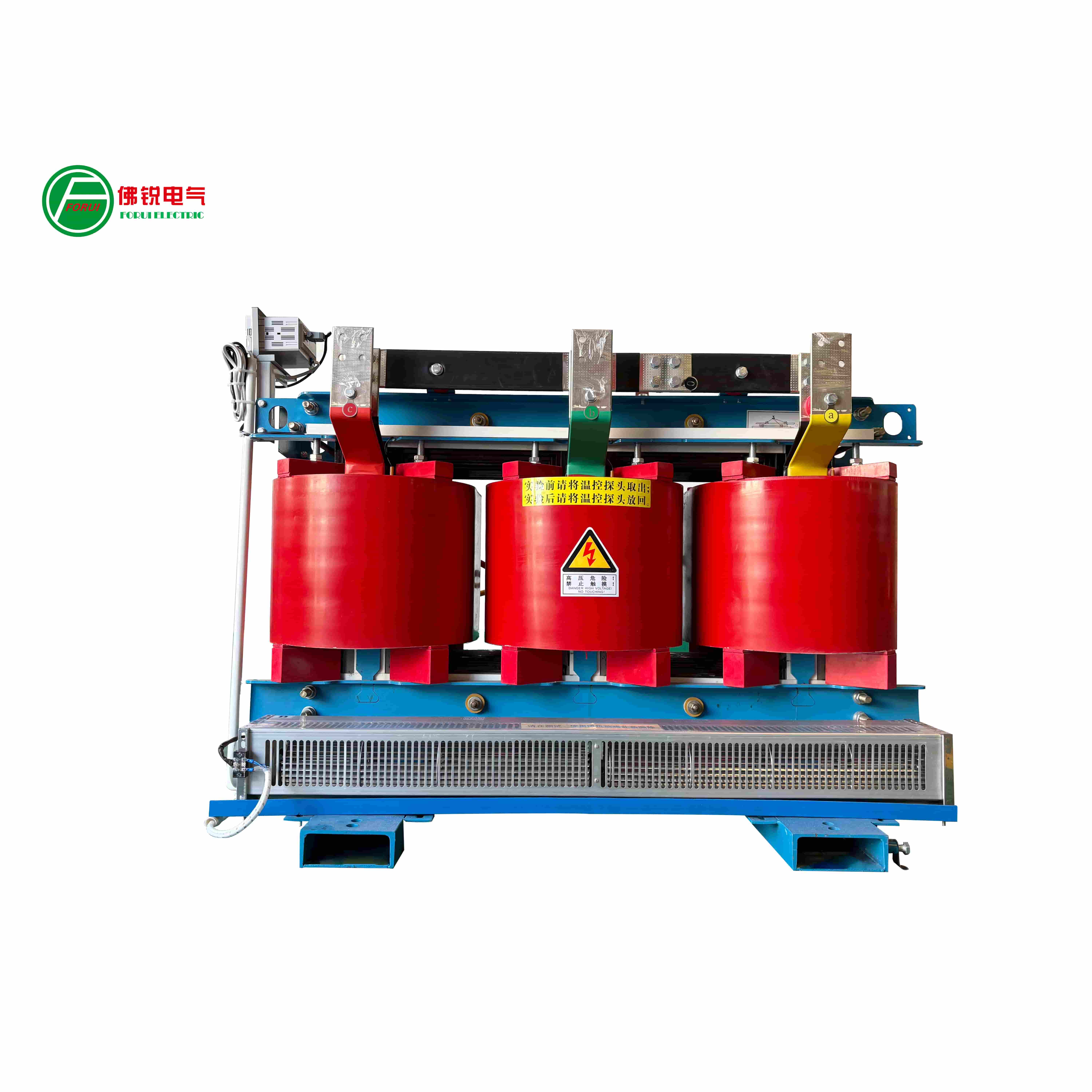
A dry-type transformer, in contrast, uses air or solid insulation materials such as epoxy resin instead of liquid oil. The windings are encapsulated or coated to provide insulation, and cooling is achieved through natural air circulation or forced air systems.
Dry-type transformers are widely used in environments where safety, cleanliness, and fire resistance are critical. These include commercial buildings, hospitals, data centers, schools, and underground facilities. Since they do not contain flammable oil, they are considered more environmentally friendly and safer in confined spaces.
Maintenance requirements are also significantly lower compared to oil-immersed transformers. There is no need for oil testing or replacement, which reduces long-term operational costs. However, dry-type transformers are generally more suitable for medium to low voltage applications and may have limitations in handling extremely high power loads or long-distance transmission systems.
Key Differences Between Oil-Immersed and Dry-Type Transformers
The most noticeable difference between these two transformer types lies in their cooling and insulation methods. Oil-immersed transformers rely on liquid insulation, which offers superior heat dissipation and higher overload capacity. Dry-type transformers rely on air or resin insulation, prioritizing safety and environmental protection.
From a performance perspective, oil-immersed transformers are often preferred for high-capacity and outdoor installations, especially in power grids and industrial plants. Dry-type transformers, on the other hand, are better suited for indoor applications and locations where fire safety regulations are strict.
Maintenance is another major distinction. Oil-immersed transformers require ongoing inspection of oil quality and sealing systems, while dry-type transformers are relatively maintenance-free. This makes dry-type solutions more convenient for buildings where downtime and maintenance access are limited.
Cost is also a consideration. Oil-immersed transformers typically have lower initial costs for high-capacity systems, but they may incur higher maintenance expenses over time. Dry-type transformers often have higher upfront costs but lower long-term maintenance requirements.
Which Transformer Should You Choose?
Choosing between an oil-immersed and dry-type transformer depends on your project requirements, installation environment, and safety considerations. If your application involves high-voltage transmission, outdoor installation, or heavy industrial loads, an oil-immersed transformer is often the most efficient choice.
If your project prioritizes safety, environmental protection, and indoor installation—such as in commercial buildings or urban infrastructure—a dry-type transformer is usually the better option.
At FORUI, we provide a wide range of transformer solutions designed to meet different power distribution needs. Whether you require high-performance oil-immersed systems or safe and efficient dry-type designs, selecting the right transformer is key to ensuring long-term reliability and operational efficiency.
SUBSCRIBE
INQUIRY