
PRODUCTS
Why the Power Transformer Is Essential in Grid Transmission and Distribution
Electric power systems depend on efficient, stable, and safe energy transfer from generation plants to end users. At the center of this process is the power transformer, a critical device that enables voltage conversion and ensures electricity can travel long distances with minimal loss.
Without transformers, modern electrical grids would not be able to operate at the scale and reliability that industries, cities, and residential users require today. From high-voltage transmission networks to local distribution systems, power transformers play an indispensable role in maintaining the balance between generation and consumption.
Role of Power Transformer in Grid Transmission
Power transformers are primarily used to step up or step down voltage levels within the electrical grid. When electricity is generated at power plants, it is typically produced at a relatively low voltage. To transmit this power over long distances, the voltage must be increased significantly to reduce energy losses caused by resistance in transmission lines.
At high voltage, the current decreases while power remains constant, minimizing heat loss and improving transmission efficiency. Once the electricity reaches substations near consumption areas, transformers reduce the voltage again to safer, usable levels for homes, commercial buildings, and industrial facilities.
This ability to efficiently manage voltage levels is what makes the power transformer a cornerstone of modern transmission systems.
Why Efficiency and Voltage Regulation Matter
One of the most important advantages of using a power transformer is its ability to improve overall system efficiency. Electrical energy would otherwise suffer substantial losses if transmitted at low voltage over long distances. By stepping up voltage for transmission, transformers ensure that energy loss is kept to a minimum.
In addition, transformers help maintain stable voltage regulation throughout the grid. Electrical demand fluctuates constantly throughout the day, and transformers help adjust and stabilize voltage levels to prevent overloads or system failures. This regulation is especially important for sensitive industrial equipment and modern digital infrastructure, where voltage instability can cause serious disruptions.
FORUI focuses on designing high-performance transformer systems that enhance efficiency, reduce losses, and ensure stable output across varying load conditions.
Reliability and Safety in Distribution Networks
Beyond efficiency, power transformers are essential for ensuring the safety and reliability of the entire power system. Electrical grids must operate under strict safety standards to prevent failures such as short circuits, overloads, and overheating.
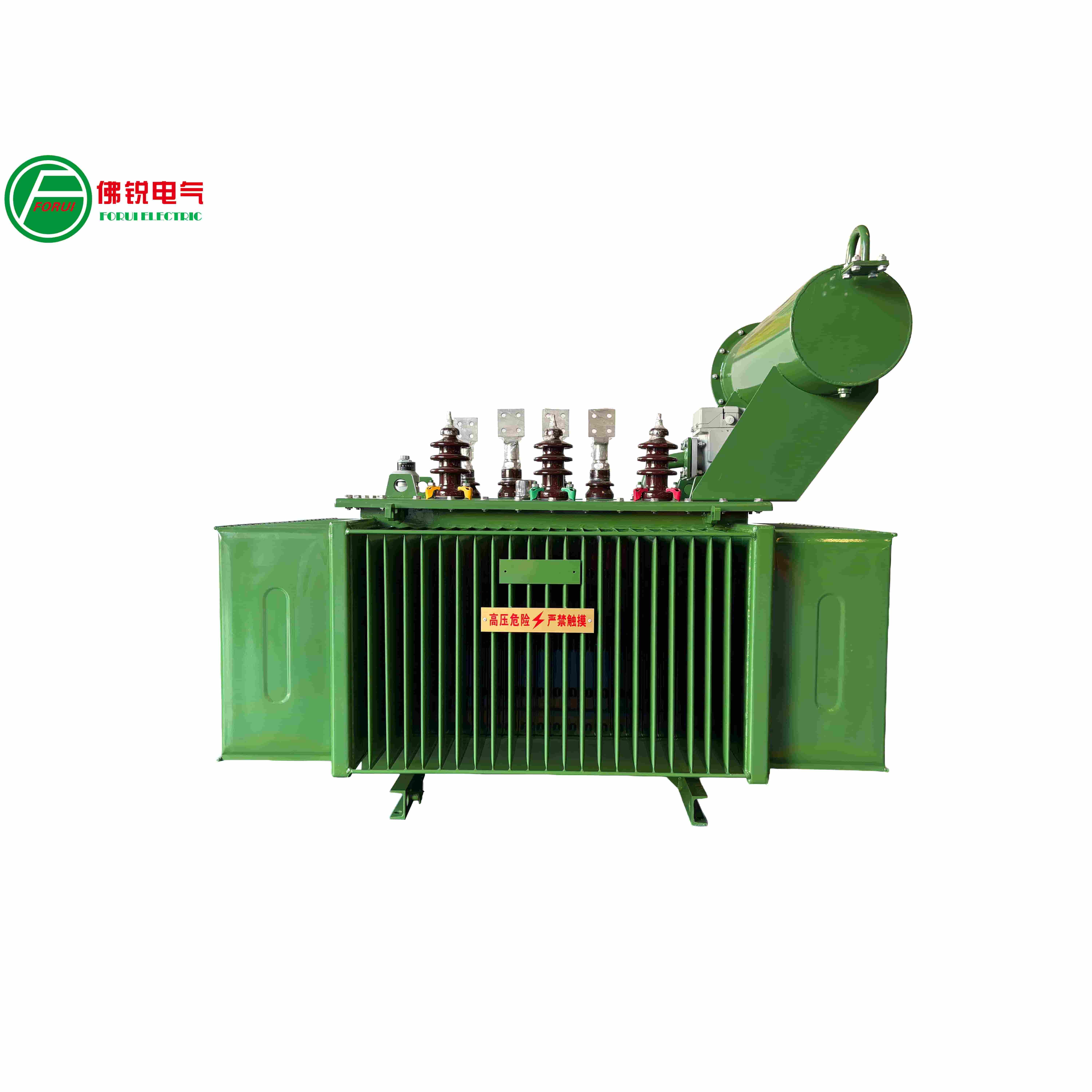
Power transformers are engineered with advanced insulation systems, cooling technologies, and protective mechanisms that allow them to operate continuously under heavy load conditions. Oil-immersed and dry-type transformers, for example, are designed to manage heat dissipation effectively while maintaining electrical insulation integrity.
Reliable transformer performance also reduces downtime in distribution networks. A failure at the transformer level can affect thousands of users, making durability and maintenance-free operation key design priorities in modern transformer manufacturing.
Modern Applications and Industry Demand
With the rapid expansion of urbanization, renewable energy integration, and industrial automation, the demand for high-quality power transformers continues to grow. Today’s power grids are more complex than ever, requiring transformers that can handle variable loads, renewable energy inputs, and smart grid technologies.
Power transformers are widely used in:
- National and regional transmission grids
- Industrial power distribution systems
- Renewable energy plants such as wind and solar farms
- Urban infrastructure and smart cities
As energy systems evolve, transformers are also becoming more advanced, incorporating digital monitoring systems and improved energy-efficient designs. These innovations help utilities optimize performance, reduce operational costs, and improve system resilience.
Conclusion
The power transformer is a fundamental component of modern electrical infrastructure. By enabling efficient voltage conversion, improving transmission efficiency, and ensuring system stability, it supports the reliable delivery of electricity from generation sources to end users. As global energy demand continues to increase, the importance of high-quality transformer technology will only grow.
FORUI continues to play a key role in advancing transformer design and manufacturing, helping build stronger, more efficient, and more sustainable power networks for the future.
SUBSCRIBE
INQUIRY