Why 3 Phase Oil Immersed Power Transformers Still Run the Grid
Walk into any substation yard and you'll see them: squat green tanks with ceramic bushings catching the light. A 3 phase oil immersed power transformer isn't glamorous, but it moves the electricity that keeps hospitals, factories, and apartment blocks running. For engineers specifying distribution equipment, the question isn't whether oil-immersed technology still matters. It's which design actually fits the load, the budget, and the maintenance crew's patience.
What Makes Oil Immersion the Default Choice
Mineral oil does two jobs at once inside a transformer tank. It insulates the windings from each other and from the core, and it carries heat away from the copper and steel where energy loss turns into warmth. Air alone can't match that combination at distribution voltages.
That's why oil-immersed designs dominate 6kV and 10kV distribution networks worldwide. Dry-type units have their place indoors, especially where fire codes restrict liquid-filled equipment. But for outdoor substations, pole-mounted installations, and most utility-scale distribution, oil remains the practical, cost-effective medium. It simply dissipates heat better per unit of size and weight.
The Corrugated Tank Design Explained
Older transformer generations relied on a separate oil conservator tank mounted above the main body. It worked, but it added height, more sealing points, and another thing that could leak. The S11 series design used in modern 6/10kV distribution units replaces that conservator with a corrugated tank wall.
Each fin in the corrugation acts like a small bellows. As oil heats up and expands, the fins flex outward slightly to absorb the volume change. When the load drops and oil cools, they contract back. This sealed, conservator-free structure cuts the physical footprint of the unit, which matters when substation real estate is tight or when a project calls for compact pad-mounted installations near buildings.
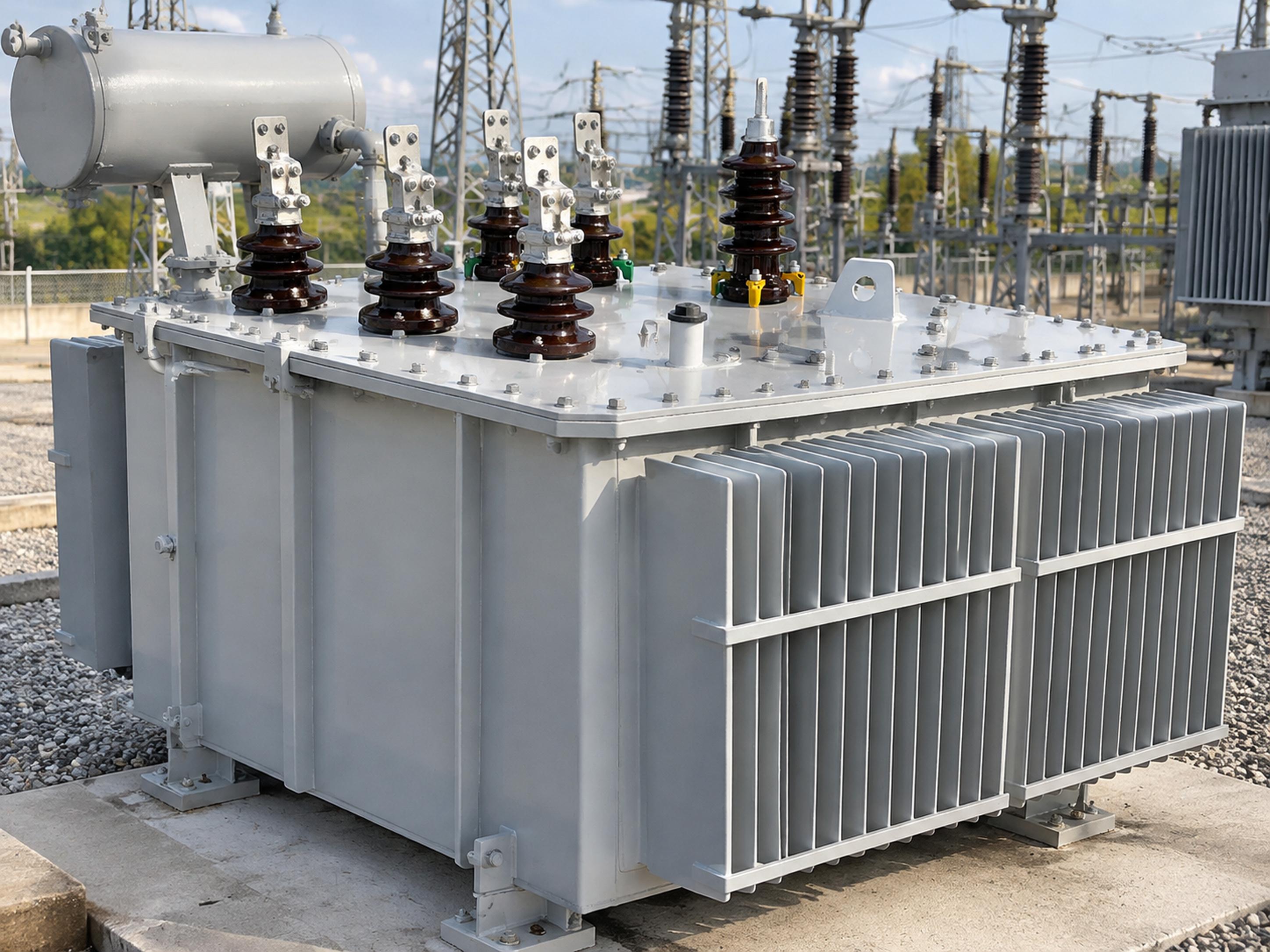
There's a secondary benefit buried in that fin geometry. The corrugated surface multiplies the effective area exposed to ambient air, so heat sheds faster than it would from a flat-walled tank of the same volume. Fewer welded seams also means fewer places for oil to seep out over two decades of thermal cycling.
Energy Loss: Where the Real Operating Cost Hides
Utilities and industrial buyers often fixate on purchase price, but a transformer's lifetime cost is dominated by no-load loss. This is the energy the unit consumes just sitting energized, whether or not it's delivering power downstream. Multiply that loss by every hour of every year across a 25-year service life, and small percentage differences become real money.
This is where the generational shift from S9 to S11 core designs shows up most clearly. According to the manufacturer's specifications, the S11 series achieves roughly a 30% reduction in no-load loss compared to older S9 models, alongside a 45% to 80% drop in no-load current. That gap comes from improvements in core steel grade and winding geometry rather than any exotic material.
| Metric | S9 Series (Legacy) | S11 Series |
|---|---|---|
| No-load loss | Baseline | ~30% lower |
| No-load current | Baseline | 45%–80% lower |
| Oil tank structure | Conservator-style | Corrugated, conservator-free |
| Footprint | Larger | More compact |
For a facility running transformers continuously, even a modest no-load loss reduction compounds into lower electricity bills and a smaller carbon footprint over the equipment's working life. It's one of the few places where an upfront spec sheet number translates directly into an operating budget line item.
Reading the Nameplate Before You Buy
Every transformer carries a nameplate riveted to its tank, and it tells you more than most buyers bother to read. Voltage class, rated capacity in kVA, impedance, and cooling method are stamped there for a reason: they determine whether the unit matches your actual load profile.
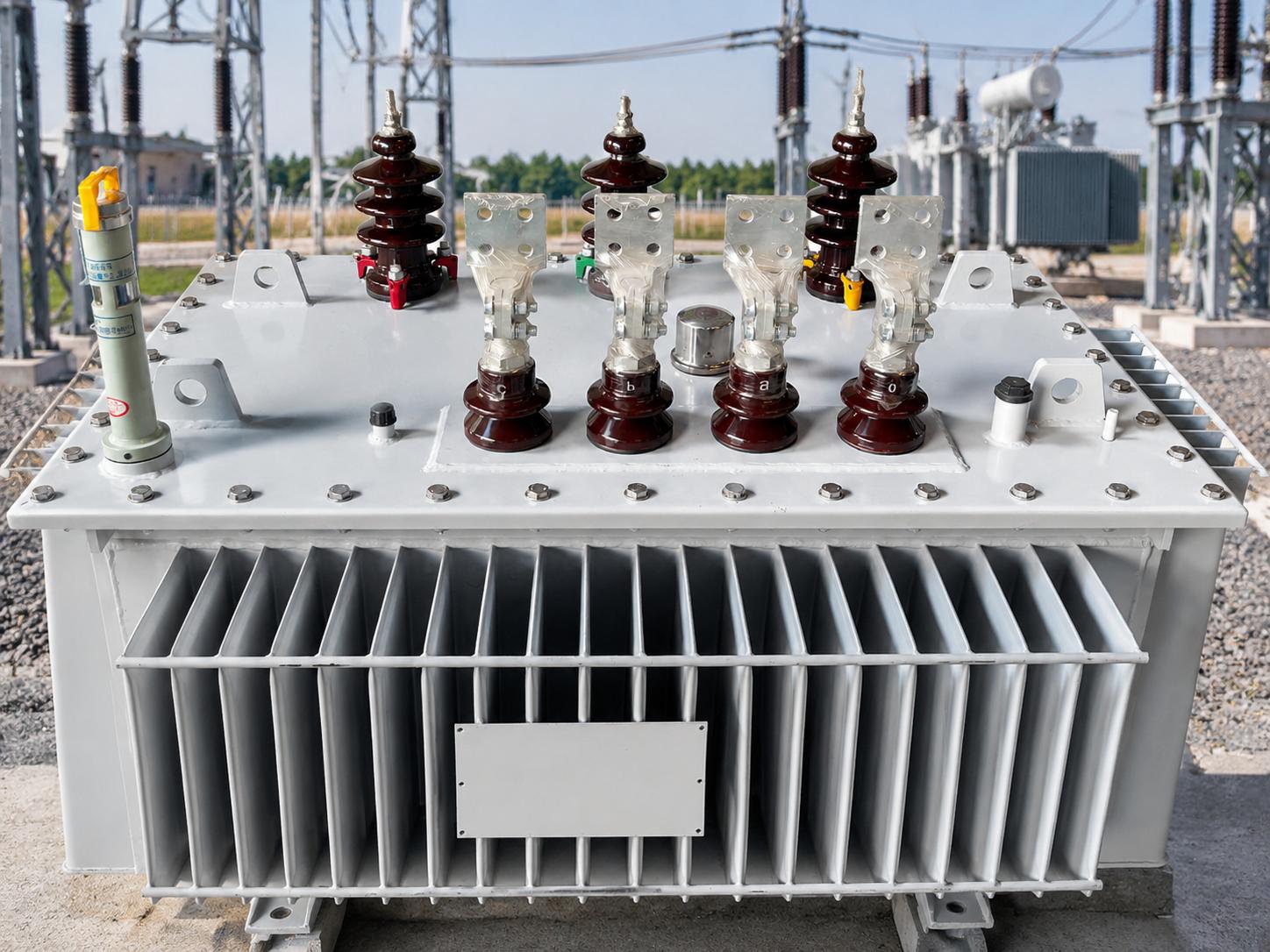
For a 6/10kV distribution transformer, the voltage rating indicates where it sits in the network, typically stepping power down from a medium-voltage feeder to a level usable by local loads. Before specifying a unit, it helps to confirm a few things against the nameplate and the project's single-line diagram.
- Confirm the rated voltage matches the upstream feeder voltage, not just the nominal grid voltage in the region.
- Check the kVA rating against peak demand, not average load, to avoid chronic overloading.
- Verify the cooling method listed (oil-immersed, natural circulation) suits the installation environment, including ambient temperature extremes.
- Cross-check tap changer range if the local voltage fluctuates seasonally.
Skipping this step is how undersized transformers end up running hot for years before anyone notices the efficiency penalty.
Safety Features That Earn Their Keep
A transformer that fails silently is far more dangerous than one that fails loudly. That's the logic behind the oil level indicator and temperature monitoring mounted on the top cover of modern distribution units. The indicator gives a quick visual check that oil hasn't dropped below a safe threshold, which could expose windings or reduce insulation clearance.
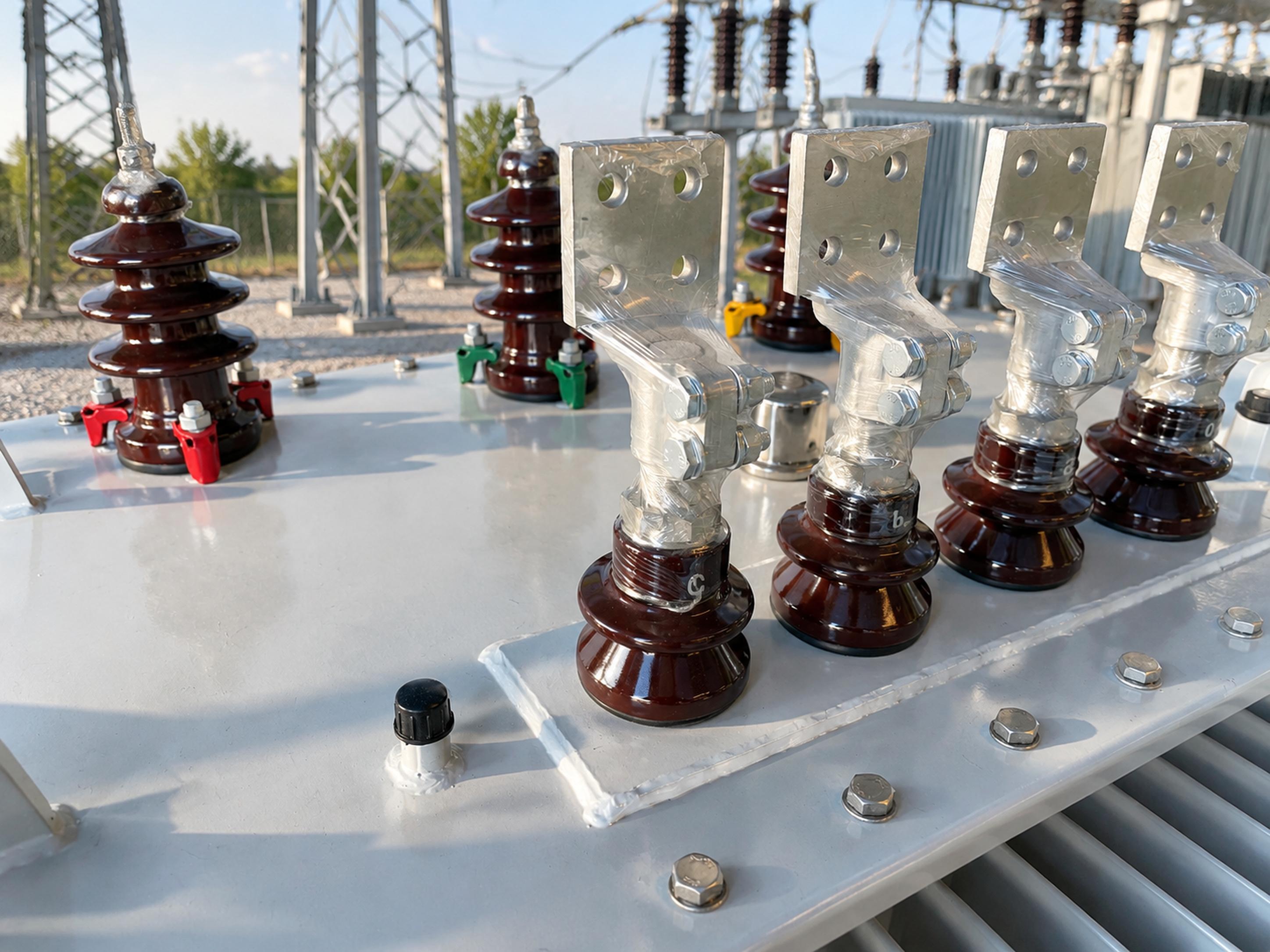
Temperature monitoring, meanwhile, catches the early signs of overload or cooling failure before insulation degrades. Oil insulation doesn't fail instantly; it ages faster at sustained high temperatures, shortening the transformer's effective life. A maintenance crew checking these two gauges during a routine round can catch a developing problem weeks before it becomes an outage.
These aren't exotic additions. They're the baseline instrumentation that separates a transformer you can trust unattended for months from one that needs constant babysitting.
Where These Transformers Actually Get Installed
Specification sheets list "industrial power distribution" as an application, but that phrase covers a lot of ground. In practice, 3 phase oil immersed power transformers at the 6/10kV class show up in a handful of recurring scenarios.
- Urban and rural grid substations stepping down medium-voltage feeders for local distribution.
- Industrial facilities with heavy three-phase motor loads, where oil cooling handles sustained thermal stress better than dry-type alternatives.
- Commercial building electrical rooms, particularly in regions where outdoor or semi-outdoor placement is permitted.
- Renewable energy sites, where solar or wind generation needs to be stepped up or down to match grid interconnection voltage.
Each of these contexts puts different stress on the unit. A renewable energy site might see variable, intermittent loading as generation fluctuates with weather, while an industrial plant delivers a steadier but higher baseline draw. The transformer's thermal design has to tolerate both patterns without accelerated aging.
Maintenance Realities Nobody Mentions in the Brochure
Oil-immersed transformers ask for less attention than people assume, but "less" isn't "none." Oil quality degrades slowly through oxidation and moisture ingress, which is why periodic oil testing (checking dielectric strength and moisture content) remains standard practice for utility fleets. A sealed, corrugated tank reduces moisture ingress risk compared to older conservator designs with a breather exposed to ambient air, but it doesn't eliminate the need for inspection.
Bushings and gaskets are the other wear points worth watching. Ceramic bushings can crack from mechanical stress or contamination buildup, and gasket seals harden with age, which is when minor oil seepage tends to start. None of this is alarming if a facility follows a basic inspection schedule, usually an annual visual check plus oil sampling every few years depending on load severity and local regulatory requirements.
Frequently Asked Questions
Is an oil-immersed transformer safe for installation near occupied buildings?
Many commercial and industrial sites install oil-immersed units outdoors or in dedicated transformer rooms with proper ventilation and fire barriers, following local electrical and fire codes. Indoor placement typically requires additional containment measures or may favor dry-type alternatives depending on jurisdiction.
How long does the oil inside typically last before replacement?
Mineral oil in a well-sealed, properly maintained transformer can often remain in service for well over a decade, with periodic testing determining when reconditioning or replacement is actually needed rather than relying on a fixed calendar interval.
Does a corrugated tank design require different maintenance than a conservator-tank unit?
The core maintenance tasks, oil testing, bushing inspection, temperature monitoring, remain similar. The main practical difference is that corrugated designs eliminate the separate conservator and its breather, slightly simplifying the moisture-control routine.
Can a 6/10kV unit be used if the local grid runs at a slightly different medium voltage?
Tap changers provide some flexibility, but the base voltage rating should still align closely with the feeder voltage. Significant mismatches require a different nameplate rating rather than relying on tap adjustment alone.
Matching the Transformer to the Job, Not the Other Way Around
The temptation when specifying equipment is to default to whatever was used last time. That works until load profiles shift, until energy costs climb, or until a facility expands past its original electrical plan. A 3 phase oil immersed power transformer bought for a long service life deserves a sizing exercise that accounts for growth, not just today's demand.
For us at FORUI, nearly two decades of building both standard and custom transformer solutions has reinforced one lesson: the right unit is the one engineered around the actual load, cooling environment, and maintenance capacity of the site, not the one with the most impressive spec sheet in isolation. Whether a project calls for a compact 6/10kV corrugated-tank unit on a tight urban footprint or a larger custom configuration for an industrial feeder, the fundamentals stay the same, insulation integrity, efficient heat dissipation, and dependable monitoring are what keep a 3 phase oil immersed power transformer running quietly for years rather than becoming next year's emergency replacement.
Recent Posts
- FORUI Makes a Strong Appearance at ENERGETAB Poland 2025, Deepening European Market Presence
- FORUI Presents at Uzbekistan Energy Week 2025, Contributing to Central Asia's Energy Development
- FORUI Shines at Electrical Networks of Russia 2024, Showcasing Strength of Intelligent Manufacturing
- Power Transformer Basics: How Oil-Immersed Units Keep the Grid Running
- Compact Substation: Engineering Precision in Modular Power Distribution
SUBSCRIBE
INQUIRY