
Compact Substation: Engineering Precision in Modular Power Distribution
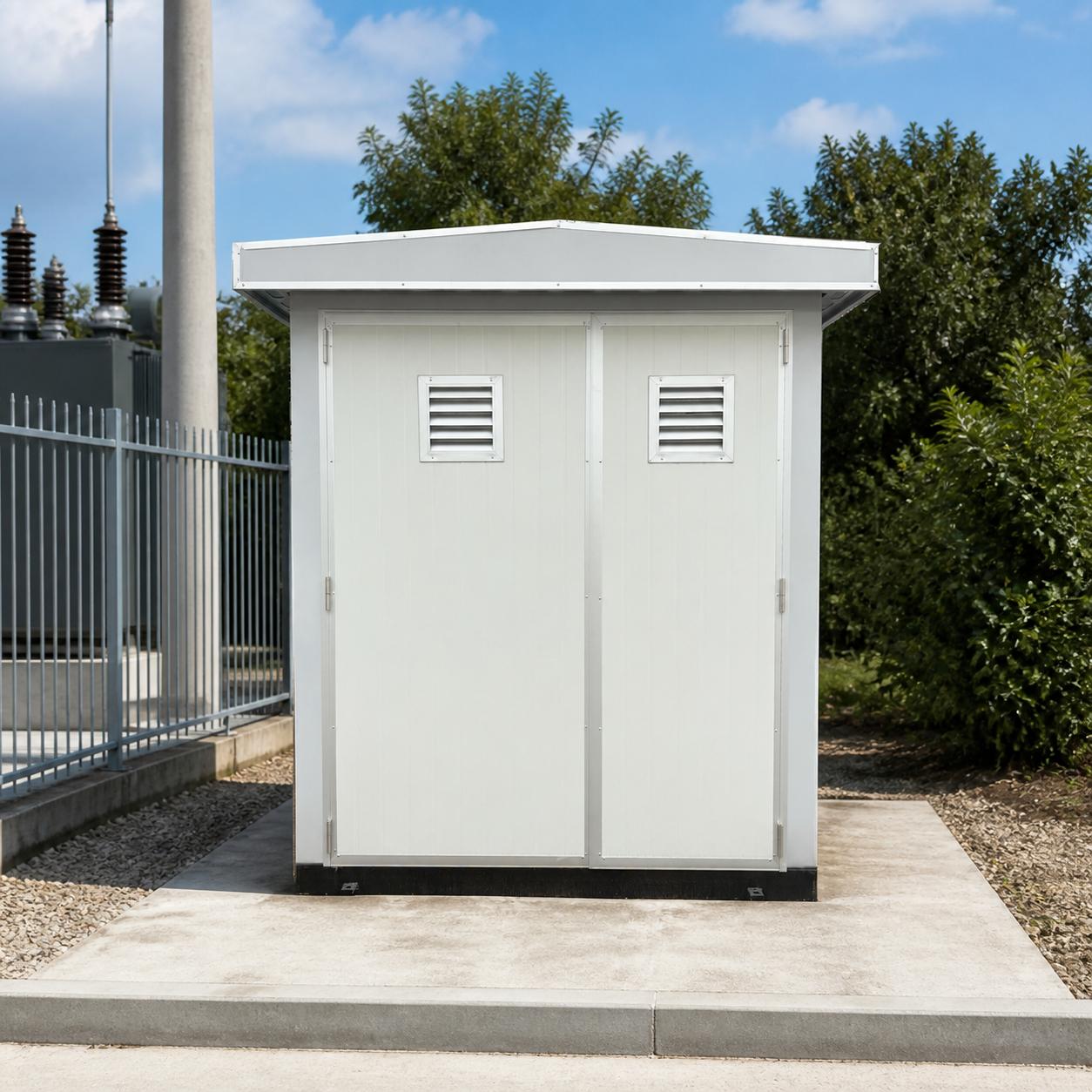
Electrical infrastructure demands have evolved rapidly across urban and industrial landscapes. Traditional substations, while effective, often require extensive civil work, dedicated real estate, and prolonged installation timelines. A compact substation addresses these constraints by integrating medium-voltage switchgear, transformers, and low-voltage distribution equipment into a single, factory-tested enclosure. This consolidation reduces both footprint and complexity, making it a practical choice for projects where space, speed, and reliability intersect.
Rather than spreading components across multiple buildings or rooms, everything necessary for stepping down voltage and distributing power resides within one weatherproof housing. The result is a turnkey solution that can be delivered to site, connected, and energized in days rather than months. This approach has proven valuable in environments ranging from dense city blocks to remote renewable energy installations, where conventional construction is either impractical or cost-prohibitive.
Why Integration Matters in Modern Power Systems
Power distribution has traditionally relied on separate structures for switchgear, transformers, and distribution panels. Each component requires its own foundation, enclosure, and coordination effort. When these elements are scattered, fault isolation becomes more complex, maintenance windows expand, and the risk of environmental exposure increases. Bringing them into a unified module simplifies design, reduces points of failure, and creates a controlled environment that protects sensitive equipment from moisture, dust, and temperature extremes.
Factory assembly ensures that wiring, insulation, and protection devices are installed under controlled conditions, then tested as a complete system before shipment. This contrasts with field assembly, where weather, site constraints, and coordination delays can compromise quality. Pre-engineered layouts also minimize the need for on-site electrical engineering, allowing project teams to focus on civil work and grid connection rather than internal panel configuration.
The enclosed structure provides a second layer of protection. Unlike open-air switchyards or indoor rooms that depend on building HVAC, a compact substation is self-contained. Ventilation systems manage heat dissipation, while corrosion-resistant coatings and sealed access panels guard against humidity and airborne contaminants. This makes the unit suitable for coastal areas, industrial zones with chemical exposure, and regions prone to flooding or sand intrusion.
Core Components and Their Interaction
A typical unit houses three primary subsystems: medium-voltage switchgear, a step-down transformer, and low-voltage distribution equipment. The medium-voltage section receives power from the utility grid, often at 6kV to 30kV, depending on regional standards. Circuit breakers or load-break switches within this section provide isolation and fault protection, ensuring that upstream faults do not propagate downstream.
The transformer occupies the central compartment, converting incoming medium voltage to a usable low voltage—typically 400V or 208V in industrial and commercial contexts. Transformer capacity ranges from 250kVA to 4000kVA, scaling to match the load profile of the facility. Cooling may be natural air circulation or forced ventilation, depending on ambient temperature and load density. Oil-immersed or dry-type transformers are both viable options, with selection driven by environmental regulations, maintenance preferences, and fire safety requirements.
Low-voltage distribution equipment occupies the final compartment. This includes bus bars, circuit breakers, residual current devices, and metering instruments. Outgoing feeders connect to building distribution panels, machinery, or auxiliary systems. Protection relays monitor current, voltage, and earth fault conditions, triggering disconnection when thresholds are exceeded. This layered protection minimizes downtime and prevents damage to downstream equipment during transient events or overloads.
Each subsystem communicates through standardized interfaces. Bus bars transfer power between sections, while control wiring links protection relays, interlocks, and status indicators. Factory wiring eliminates field splicing errors and ensures that protective coordination is consistent with design intent. Load-break switches or motorized circuit breakers enable remote operation, a feature increasingly demanded in smart grid and automated facility management systems.
Installation Flexibility and Site Adaptation
One advantage of modular design is the ability to place the unit wherever power is needed, without building a dedicated substation room. Outdoor installations use weatherproof enclosures rated for direct sunlight, rain, and temperature swings. Indoor configurations may simplify enclosure requirements but still benefit from the compact footprint and pre-wired convenience.
Site preparation is straightforward. A reinforced concrete pad provides a stable foundation, while cable trenches or conduits route incoming and outgoing connections. Anchor bolts secure the unit against wind and seismic forces, and grounding electrodes establish a safe earth reference. Because the unit arrives pre-assembled, site work focuses on mechanical placement and electrical termination rather than internal assembly.
Transport logistics favor modular units. Standard shipping containers accommodate most sizes, and specialized heavy-lift equipment positions the unit on its pad. This contrasts with traditional substation construction, where components are delivered separately, then assembled over weeks. The reduction in site labor and construction time translates directly into lower project cost and faster commissioning.
Application Scenarios and Load Matching
Urban power networks benefit from compact substations when utility vaults or substations reach capacity. Adding a new unit in a congested area avoids the need to expand existing infrastructure or relocate facilities. The small footprint allows placement on rooftops, parking decks, or narrow utility easements, minimizing disruption to surrounding operations.
Industrial plants often require localized transformation to serve high-density loads such as motors, furnaces, or automated production lines. Placing a compact substation near the load center reduces voltage drop and improves power quality. The enclosed design also protects equipment from process dust, chemical vapors, and vibration, extending service life in harsh environments.
Commercial complexes—shopping centers, data centers, hospitals—demand reliable, redundant power. Installing multiple compact substations provides fault tolerance, allowing critical loads to remain energized even if one unit trips offline. Modular design simplifies future expansion, as additional units can be added without redesigning the entire distribution architecture.
Renewable energy systems present unique challenges. Solar farms and wind installations often occupy remote sites with limited access to transmission infrastructure. Compact substations enable voltage step-up or step-down at the generation point, reducing losses over long distribution lines. The robust enclosure withstands exposure to desert heat, offshore salt spray, or alpine cold, ensuring consistent performance in extreme climates.
Infrastructure projects—airports, railways, ports—require mobile or temporary power during construction, then permanent distribution once facilities are operational. Compact substations serve both roles. During construction, units can be relocated as work progresses. Once the project is complete, the same equipment transitions to permanent service, eliminating the need for separate temporary and permanent installations.
Comparing European and American Design Standards
Two dominant design philosophies shape compact substation architecture: European-style box-type and American-style pad-mounted. European designs prioritize vertical orientation, with components stacked in a tall, narrow enclosure. This maximizes ventilation and simplifies internal access, but requires more vertical clearance during transport and installation.
American pad-mounted units favor a low, wide profile. Components are arranged horizontally, reducing height and improving stability. This design integrates easily into residential and light commercial settings, where aesthetic impact and noise control are concerns. The lower profile also simplifies installation in areas with overhead obstructions such as tree canopies or building eaves.
Both approaches offer equivalent electrical performance. Selection depends on site constraints, aesthetic preferences, and regional utility standards. European-style units are common in Asia, Africa, and South America, where vertical real estate is less constrained. American-style units dominate in North America and regions with similar distribution practices.
| Feature | European-Style Box-Type | American-Style Pad-Mounted |
|---|---|---|
| Profile | Tall, narrow enclosure | Low, wide footprint |
| Ventilation | Natural convection, vertical | Forced ventilation, horizontal |
| Access | Front and rear doors | Side and top access panels |
| Typical capacity | 630kVA to 4000kVA | 250kVA to 2500kVA |
| Common regions | Europe, Asia, Africa | North America, Caribbean |
Environmental Protection and Corrosion Resistance
Enclosed substations face continuous exposure to moisture, temperature fluctuation, and airborne contaminants. Steel enclosures are treated with multi-layer coatings: zinc-rich primer for corrosion inhibition, intermediate epoxy for adhesion, and polyurethane topcoat for UV and chemical resistance. Powder coating provides a durable, uniform finish that withstands abrasion during transport and handling.
Seals and gaskets prevent water ingress at door edges, cable glands, and ventilation louvers. Silicone or EPDM rubber maintains flexibility across temperature extremes, while stainless steel fasteners resist oxidation. Internal condensation is managed through controlled ventilation and, in some cases, low-power heaters that maintain enclosure temperature above dew point during idle periods.
Coastal installations demand additional protection. Salt fog accelerates corrosion, particularly at electrical connections and exposed metal surfaces. Stainless steel or aluminum components replace standard steel where corrosion risk is highest. Cable entry points are sealed with marine-grade glands, and internal air filters trap salt particles before they reach sensitive equipment.
Maintenance Access and Safety Interlocks
Safe operation requires controlled access to energized components. Compact substations incorporate multiple interlocks that prevent accidental contact with live parts. Door switches disable circuit breakers when access panels are opened, forcing de-energization before maintenance personnel can reach internal components. Mechanical key interlocks enforce a sequence of operations, ensuring that isolation occurs before grounding or maintenance access.
Maintenance intervals vary by component. Transformers require periodic oil analysis or winding resistance checks, typically on an annual or biannual schedule. Switchgear undergoes visual inspection for tracking, corrosion, or loose connections. Low-voltage distribution equipment may need arc flash studies and protective relay calibration every few years, depending on load changes and fault history.
Internal layout prioritizes accessibility. Removable panels and hinged compartments allow technicians to reach specific components without disturbing adjacent equipment. Cable management channels keep wiring organized, reducing the time needed to trace circuits during troubleshooting. Clear labeling of bus bars, feeders, and protection devices minimizes confusion and supports rapid fault isolation.
Voltage and Capacity Selection
Choosing the right voltage rating depends on grid connection point and load characteristics. Medium voltage typically matches the utility's distribution voltage, avoiding unnecessary transformation steps. If the utility delivers power at 11kV, the substation's incoming switchgear should be rated for 11kV operation. Stepping up or down at this stage introduces losses and cost without functional benefit.
Capacity selection balances current demand with future growth. Undersizing forces premature expansion or overload risk, while oversizing increases initial cost and operating losses. Load analysis should account for peak demand, diversity factors, and anticipated additions such as new equipment or building expansions. A buffer of 20 to 30 percent above calculated peak provides headroom for transient surges and unplanned loads.
Voltage regulation is another consideration. Long cable runs or variable loads can cause voltage sag, affecting motor performance and electronic equipment. Transformers with off-load or on-load tap changers adjust output voltage across fixed steps, compensating for upstream fluctuations. This feature is valuable in industrial settings where seasonal grid variations or long feeder runs affect delivered voltage.
Integration with Smart Grid and Monitoring Systems
Modern compact substations support remote monitoring and control through embedded sensors, communication modules, and programmable logic controllers. Voltage, current, power factor, and temperature data stream to supervisory control and data acquisition (SCADA) platforms, enabling real-time visibility into substation health and load distribution.
Remote trip and close commands eliminate the need for on-site operator presence during switching operations. This reduces response time during outages and simplifies load balancing across multiple substations. Communication protocols such as Modbus, DNP3, or IEC 61850 ensure compatibility with existing utility infrastructure and building management systems.
Predictive maintenance algorithms analyze historical data to identify trends that precede equipment failure. Rising transformer temperature, increasing contact resistance, or abnormal vibration patterns trigger alerts before a fault occurs. This shift from reactive to predictive maintenance reduces unplanned downtime and extends asset life by addressing issues during scheduled maintenance windows.
Customization and Project-Specific Configuration
Standard catalog units serve many applications, but complex projects may require tailored configurations. Custom layouts accommodate oversized transformers, redundant switchgear, or integrated metering and protection relays. Engineering teams work with project specifications to optimize internal arrangement, ensuring that cable routing, ventilation, and access align with site constraints and operational preferences.
Voltage levels, protection schemes, and communication interfaces are all configurable. A facility with existing SCADA infrastructure may need specific protocol support, while a greenfield project might adopt newer standards. Color coding, labeling languages, and safety signage adapt to regional regulations and operator training levels.
Delivery schedules influence design decisions. Standard units ship within weeks, while custom configurations may extend lead times by several months. Balancing customization with delivery urgency requires early engagement between project teams and manufacturers. For us at FORUI, 18 years of experience in transformer manufacturing means we can navigate these tradeoffs efficiently, delivering both standard and custom solutions that meet strict project timelines and technical requirements.
Real-World Performance and Operational Longevity
Field performance depends on adherence to installation guidelines and environmental management. Proper grounding prevents ground faults and protects personnel. Adequate clearance around the unit ensures ventilation and access for maintenance. Cable terminations must be torqued to specification, preventing loose connections that generate heat and accelerate insulation degradation.
Operating environment influences service life. Units in mild climates with low pollution may operate for decades with minimal intervention. Harsh environments—high humidity, extreme temperature, or heavy dust—require more frequent inspections and component replacement. Proactive management of environmental stressors extends asset life and maintains reliability.
Load cycling also affects longevity. Frequent high-current transients stress transformer windings and switchgear contacts, while steady loads at moderate levels minimize wear. Understanding load patterns during design allows engineers to select components with appropriate thermal and mechanical ratings, ensuring that the substation operates within safe margins throughout its service life.
Compact substations compress complexity into a manageable, factory-tested package. By integrating switchgear, transformers, and distribution equipment into a single enclosure, they eliminate the fragmentation of traditional substation construction. The result is faster deployment, reduced site work, and consistent performance across diverse applications. Whether serving urban grids, industrial facilities, or renewable energy projects, these modular units deliver reliable power distribution in a form factor that respects space, time, and operational efficiency.
Recent Posts
- FORUI Makes a Strong Appearance at ENERGETAB Poland 2025, Deepening European Market Presence
- FORUI Presents at Uzbekistan Energy Week 2025, Contributing to Central Asia's Energy Development
- FORUI Shines at Electrical Networks of Russia 2024, Showcasing Strength of Intelligent Manufacturing
- Power Transformer Basics: How Oil-Immersed Units Keep the Grid Running
- Prefabricated Transformer Substation: A Practical Guide to Faster Power Deployment
SUBSCRIBE
INQUIRY